


Chinese Cinema: An Artistic Force Challenging Hollywood's Hegemony
- Sherifa Elsos
- Sep 18, 2025
- 3 min read
Cinema is not merely a form of entertainment, but a cultural and political tool that plays a fundamental role in building national identity and shaping social consciousness. In China, cinema has transcended its traditional function to achieve an artistic and social renaissance that contributes to reinforcing national belonging and historical and value awareness. At the same time, it is competing with American cinema (Hollywood), which has long dominated the global entertainment industry and imposed narratives that glorify American hegemony through its films. Chinese cinema has now become a comprehensive project that reflects China's desire to build a balanced cultural influence that expresses its soft power to counter Western hegemony.

The Role of Chinese Cinema in Societal Renaissance
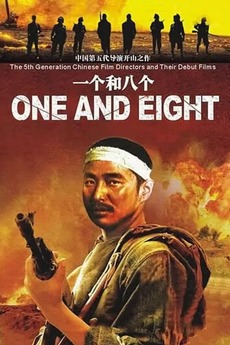
Since the founding of the People's Republic of China in 1949, Chinese cinema has been an important tool for unifying the country and promoting national values. Across different generations, such as the Fifth Generation of directors, films have emerged that deeply discuss social, historical, and cultural issues, such as One and Eight (1983), which poetically re-imagined the Chinese countryside, and Woman Basketball Player No. 5 (1957), which highlights a national female figure who achieves a sports accomplishment through perseverance and determination. These films reinforced the values of sacrifice, unity, and teamwork as cornerstones for building a cohesive society.


In recent years, blockbuster patriotic films such as My People, My Country (2019) and Wolf Warrior 2 (2017) have achieved great success both locally and globally. Wolf Warrior 2 embodies the Chinese national spirit through a heroic story that expresses China's ability to protect its interests and citizens beyond its borders, reflecting the state's use of cinema as a means to foster national pride and global communication.
Chinese Cinema and Hollywood: Struggles and Challenges in Transferring Cultural Hegemony
Hollywood has long dominated the global film market, imposing narratives that glorify American culture and politics. Hollywood's hegemony is not limited to films; it also extends to subtly imposing values and policies that influence the global audience. In contrast, Chinese cinema recognizes the importance of confronting this influence by producing high-quality blockbusters that reflect China's values and its cultural and political identity. China is working to create cinematic alternatives that highlight national stories and reinforce narratives of sovereignty and independence.

For example, films like Zhang Yimou’s Hero (2002), considered one of the most prominent directors of the Fifth Generation, combined visual aesthetics with Chinese history, presenting a heroic narrative that reinforces the values of unity and national strength. This film achieved great success domestically and internationally and proved that Chinese cinema can compete with Hollywood in presenting local stories with global appeal.

Hollywood seeks to achieve a balance in the Chinese market by introducing Chinese cultural elements into its films to meet censorship requirements and attract the Chinese audience, as seen in the film Mulan (2020). However, China is highly cautious about these attempts, as it monitors and controls content to ensure its national identity is not affected.
Cinema: A Tool of Soft Power and Cultural Strategy
China has adopted a clear strategy to make cinema a part of its soft power, leveraging its growing economic capability to produce blockbuster films that promote the Chinese vision at home and abroad. Cinema is not just a means of entertaining the audience, but a platform to reinforce national values, communicate with the Chinese diaspora abroad, and promote China's image as a modern global power that must be respected. This is where the importance of films carrying clear political messages, such as Beginning of the Great Revival (2011), which commemorates the founding of the Communist Party and its national roles, stems from.
Today, Chinese cinema shows its ability to do more than just entertain; it is an effective tool in societal renaissance and an integral part of the state's cultural policy. Through national narratives, films that carry community messages and values, and a studied competition with Hollywood's globalism, Chinese cinema has become a living embodiment of contemporary China's identity and its desire to redraw the balance of global cultural power. It thus presents a unique model of how the art of cinema can be a field for struggles and understandings between nations in the modern era.



Comments