


The Beijing Consensus: Trump and Xi Formalize the "Hormuz Doctrine" to Secure Global Energy and Block Iran's Nuclear Ambitions
- Next News
- May 14
- 1 min read

The White House released an official statement on Thursday, May 14, 2026, detailing the outcomes of the high-stakes summit between President Donald Trump and Chinese President Xi Jinping in Beijing. The two leaders reached a critical consensus on the necessity of keeping the Strait of Hormuz open to international navigation. This strategic agreement underscores a mutual commitment to ensuring the free flow of global energy supplies and maintaining the stability of international markets amidst regional tensions.
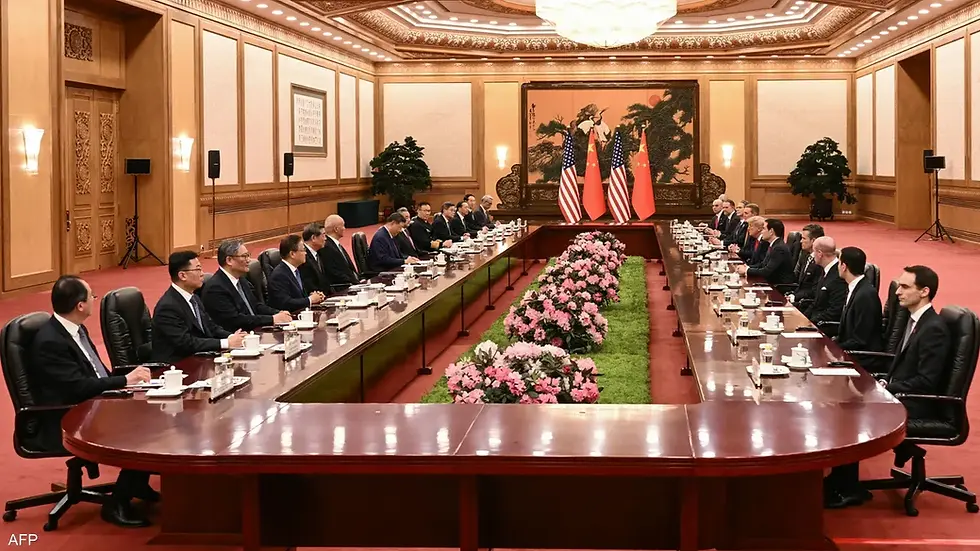
Nuclear Non-Proliferation and Agricultural Trade Beyond maritime security, the summit delivered a decisive blow to Tehran’s nuclear aspirations. A senior White House official confirmed that both nations agreed that "Iran must never be allowed to possess a nuclear weapon." This unified front marks a significant shift in diplomatic pressure. Economically, the discussions pivoted toward trade balancing, with both leaders exploring ways to increase Chinese purchases of U.S. agricultural products—a move designed to bolster bilateral economic ties and fulfill previous trade commitments.
Diplomatic Silence on Taiwan Notably, the White House summary characterized the meeting as "good" but omitted any mention of the Taiwan issue. This exclusion suggests a calculated diplomatic effort to prioritize immediate global concerns, such as energy security and nuclear non-proliferation, while temporarily shelving long-standing territorial disputes to preserve the constructive atmosphere of the summit.


Comments