


The 2026 Counter-Terrorism Mandate: Washington Links Muslim Brotherhood to Al-Qaeda and ISIS in Major Strategic Shift
- Next News
- May 7
- 1 min read

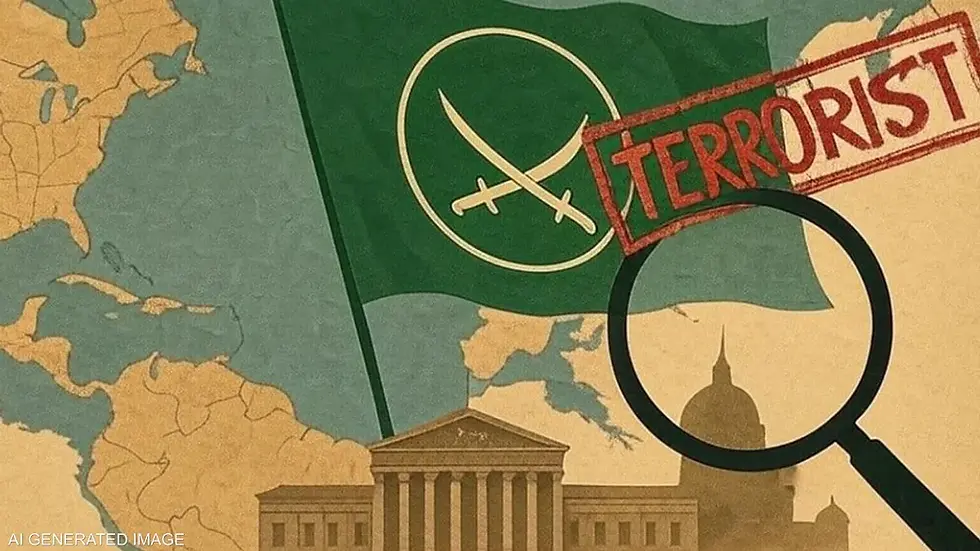
The White House has officially released the U.S. National Strategy for Counterterrorism for 2026, signaling a rigorous escalation in President Donald Trump’s foreign policy. The document places the Muslim Brotherhood at the epicenter of modern extremism, asserting that the group serves as the ideological precursor to global terror entities such as Al-Qaeda, ISIS, and Hamas. Under this new directive, Washington intends to designate the group's various branches across the Middle East and beyond as Foreign Terrorist Organizations (FTOs), aiming to dismantle their recruitment networks and sever their international financial lifelines.
European Vulnerabilities and the African Frontier In a blunt assessment, the strategy identifies Europe as a "permissive operating environment" for malicious actors. It claims that porous borders have allowed terrorists to plot against both European and American citizens with relative ease. Meanwhile, in Africa, the U.S. monitors the resurgence of ISIS and Al-Shabaab in the Sahel, Somalia, and Mozambique. To counter this, the Trump administration will adopt a "light military footprint," shifting more tactical responsibility to regional allies while prioritizing the protection of U.S. interests and persecuted Christian communities.
Iran and Maritime Red Lines The 2026 strategy labels Iran as the "greatest threat" emanating from the Middle East, citing its nuclear program and support for proxies like Hezbollah. Crucially, the document reaffirms the U.S. commitment to safeguarding strategic maritime corridors. Washington warns that any threat to the Strait of Hormuz or the Red Sea will be met with decisive force. This includes a direct military readiness to strike Houthi rebels should American vessels or global shipping lanes face further provocations.


Comments